Staying Safe and Healthy
Pattaya is reasonably safe if you keep your head and follow a few basic rules. Most of the trouble I have seen over the years comes from three things: booze, bad temper and ignorance of the local law. This guide covers all three, along with the health basics nobody tells you before your first trip.
Rules and prices last checked September 2026. Thai law changes quickly, so treat anything here as a starting point and check current details before you rely on them.
Street Smarts Before Anything Else
Do not get involved in a heated argument with a Thai, or between two arguing Thais. Bystanders will side with the local regardless of who started it, and a shouting match can turn ugly very quickly. If you are in the wrong you will pay for it. If you are in the right you will probably still pay for it. Walk away.
Keep the wealth on the low side too. Big wads of cash, chunky jewellery and expensive camera gear attract the wrong sort of attention. Take what you need for the night, leave the rest in the hotel safe and you will have a much duller and much safer evening.
The Big Three That Put Men in Jail
Almost every serious tourist disaster in Thailand comes down to one of three things: under-aged girls, drugs and visa overstays. Everything else is usually a fine and a bad afternoon. These three lead to jail.
- Under-aged girls. The age of consent is 18 for foreign men. Some countries prosecute their citizens for offences committed overseas, so you can end up in trouble at home as well as here. If you are not sure, walk away. Do not take her word for it either.
- Drugs. Anything harder than cannabis carries heavy penalties and the jail conditions are worse than you are imagining. Sharing a room with someone who has drugs on them can get you charged too, particularly when there is a big gap in income between you and them. Note that the laws around cannabis are in a state of flux, so be careful with that too.
- Visa overstays. An overstay can mean time in detention, then deportation at your own expense, plus a black mark in your passport. Check your entry stamp the day you arrive and put the expiry date in your phone.
Dealing With the Police
Thai police are known as the BiB, the boys in brown, after the uniform. Government pay is low and the system leans on community support to fill the gap, which explains a fair bit about how roadside encounters work. You do not need to like it. You do need to understand it.
Arguing your innocence gets you nowhere. Face matters enormously here, and an officer who feels disrespected will make your life harder. Stay calm, keep your voice down, smile and be polite. Never lose your temper and never raise your voice. Minor matters usually go away quickly when you handle them this way.
For a minor offence such as riding without a helmet you generally have two options. You can take the ticket and pay at the station, which costs you a chunk of your day, or you can settle it politely with the officer at the roadside. Most people choose the second option. Serious offences are a different story and mean a long process and possible jail time.
Motorbike Checkpoints
Motorbike stops are common, with South Pattaya Road, Second Road and Jomtien being regular spots. If you are on a bike, expect to be waved over at some point. Here is what they will be looking for:
- A licence that is valid for motorcycles. Your standard home car licence does not cover a bike. You need an International Driving Permit with a motorcycle endorsement.
- Helmets on both the rider and the passenger. No exceptions and no short trips.
- Your ID, which brings us to the passport.
Your Passport
Technically you are supposed to carry your passport. In practice, leave the original locked in the hotel safe. Carry a clear phone photo of the photo page and your current entry stamp, plus a paper photocopy in your wallet. That is standard practice and it satisfies a routine police check. A lost or stolen passport is a far bigger headache than a photocopy will ever be.
Cannabis in 2026
Do not assume the current free-for-all is permanent. The cabinet has approved draft legislation that moves cannabis back to medical use only and phases out recreational dispensaries. Retail licences are slated to expire in stages through 2028, and shops that want to keep trading will have to register as medical facilities with qualified practitioners on site.
On the ground today, dispensaries are still open all over Pattaya while the transition takes place. Tracking and inspections are tightening though, so expect things to get more awkward over time rather than less.
Whatever the shop rules are this month, these ones will cost you:
- No smoking in public. It is treated as a public nuisance, with fines of up to 25,000 THB. That includes the street, the beach and the park.
- No smoking in your hotel room or on the balcony. Most hotels ban it outright and charge cleaning fees of 2,000 – 10,000 THB when they smell it. They will smell it.
- Never take it out of Thailand. Not a gram, not in your luggage and not in your pocket. At an airport this becomes an international drug trafficking matter, and you will not enjoy the conversation.
Vapes and E-Cigarettes
Vaping is illegal in Thailand. All of it: e-cigarettes, vape pens and disposable pods. Plenty of people vape openly and shops still sell them, but that does not make it legal for you.
Police checkpoints regularly target foreigners carrying vapes or disposable pods, and the fines demanded on the spot are steep, often 5,000 – 20,000+ THB. If you are a vaper, leave the gear at home and sort out nicotine patches or gum instead. It is not worth the shakedown.
Other Things That Are Illegal but Everywhere
Pornography, sex toys, and gambling are illegal in Thailand. Street vendors sell fake DVDs and sex toys openly on Beach Road, and card games happen behind shopfronts, but the gap between what is written and what is enforced is wide. The police decide when to close that gap, and you do not want to be the example.
Prostitution: The Legal Grey Area
Prostitution is technically illegal under Thailand’s Prevention and Suppression of Prostitution Act, but the law defines the offence as selling sexual gratification “in a promiscuous manner”. That specific wording creates the grey area the nightlife industry relies on.
Venues do not sell sex. Bars charge for drinks and an early-release fee (the bar fine) that compensates the house for a worker leaving her shift early. Once outside the venue, whatever happens is legally treated as a private arrangement between consenting adults. Thai law directs its severe penalties at brothel operators, pimps, and human trafficking, not at the foreign customer paying for private company.
The non-negotiable red line is age. While Thai law sets the minimum age to work in bars at 20, the absolute criminal threshold is 18. Engaging in commercial sex with anyone under 18 carries heavy mandatory prison time under Thai child protection laws, and Western countries actively prosecute their own citizens back home for child sex offences committed overseas. Claiming you did not know her age is no legal defence.
This is where hotel check-in policies work in your favour. Under the Hotel Act, all overnight visitors must register valid identification at the front desk. Reputable guest-friendly hotels will inspect a lady’s Thai National ID card and hold it at reception until she leaves. Most venues enforce an 18+ policy for joiners, while others set their house limit at 20. Always use hotels that enforce this check: it guarantees she is of legal age, deters theft, and ensures she cannot slip away unnoticed. If someone refuses to hand her ID over at the desk, do not take her to your room.
My advice is to stick to women who are at least 20 to avoid issues.
Sexual Health
Condoms
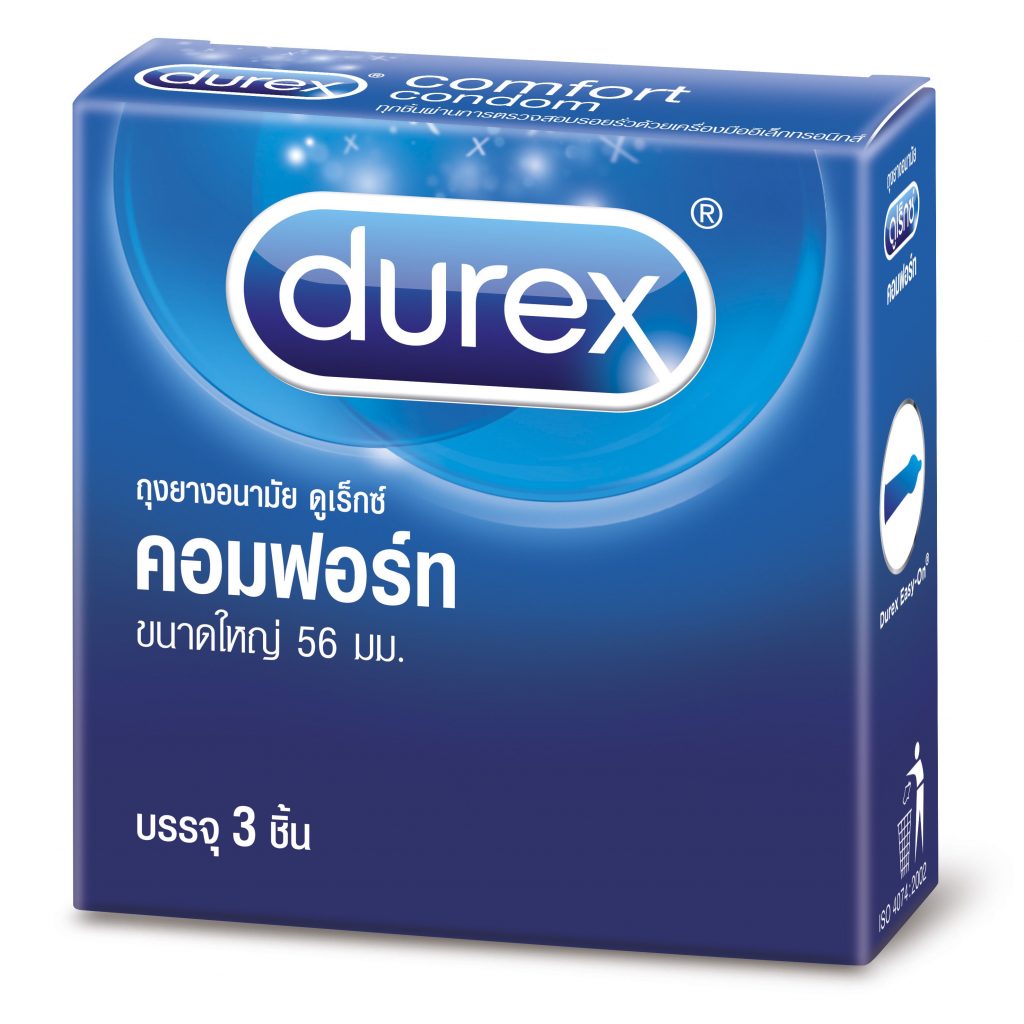
Asian condoms run smaller than what you get at home. Thai sizing typically runs 49 – 52 mm. If that is not going to work for you, 54 mm and 56 mm sizes (Durex Comfort and the XL range) are widely stocked. 7-Eleven, Boots and Watsons all carry quality brands, so you do not need to pack a suitcase full. If you have a favourite brand and size, bring a supply from home anyway.
PrEP and PEP
Both PrEP and emergency PEP are available at Pattaya clinics and hospitals. PEP has to be started within 72 hours of the exposure, and the sooner the better, so do not sit on it while you decide how embarrassed you are. Go the same day. Speak to a doctor about which option suits you before or when you arrive.
Vaccinations
Talk to your doctor about immunisations before you leave home. Hepatitis A and B vaccines are the ones to ask about because of how they spread. There is no vaccine for Hepatitis C.
ED Pills
Prescription medications technically need a prescription, but plenty of drugs are sold over the counter in Pattaya pharmacies. That includes generic erectile dysfunction pills, with Kamagra standing in for Viagra and Apcalis for Cialis. Cheap and easy does not make them harmless. If you have any heart or blood pressure problems, or you take nitrate medication, do not touch them without seeing a doctor first. Add alcohol and a hot night out and the risks climb.
Travel Tummy
Most Thai food is low risk, but a dodgy stomach turns up eventually, usually helped along by beer and street food. Keep Imodium in your room and a few oral rehydration salt sachets in your bag. Pharmacies are on nearly every corner and stock both, so you can restock without a fuss. If it drags on past a couple of days or you have a fever, see a doctor.
Numbers Worth Saving
- Police: 191
- Tourist Police: 1155 (English speaking)
- Ambulance and medical emergencies: 1669
The Short Version
- Walk away from arguments and keep your cool with police.
- Check ages, avoid hard drugs and watch your visa dates.
- Original passport in the safe, photo on your phone and photocopy in your wallet.
- IDP with a motorcycle endorsement and a helmet for you and your passenger.
- No vapes, no public cannabis smoking and nothing cannabis related going home with you.
- Condoms that fit, PEP within 72 hours if things go wrong and Imodium in the room.
I am not a lawyer or a doctor, and none of this is legal or medical advice. Get professional advice if you need it.